RESTORE ATTENTION
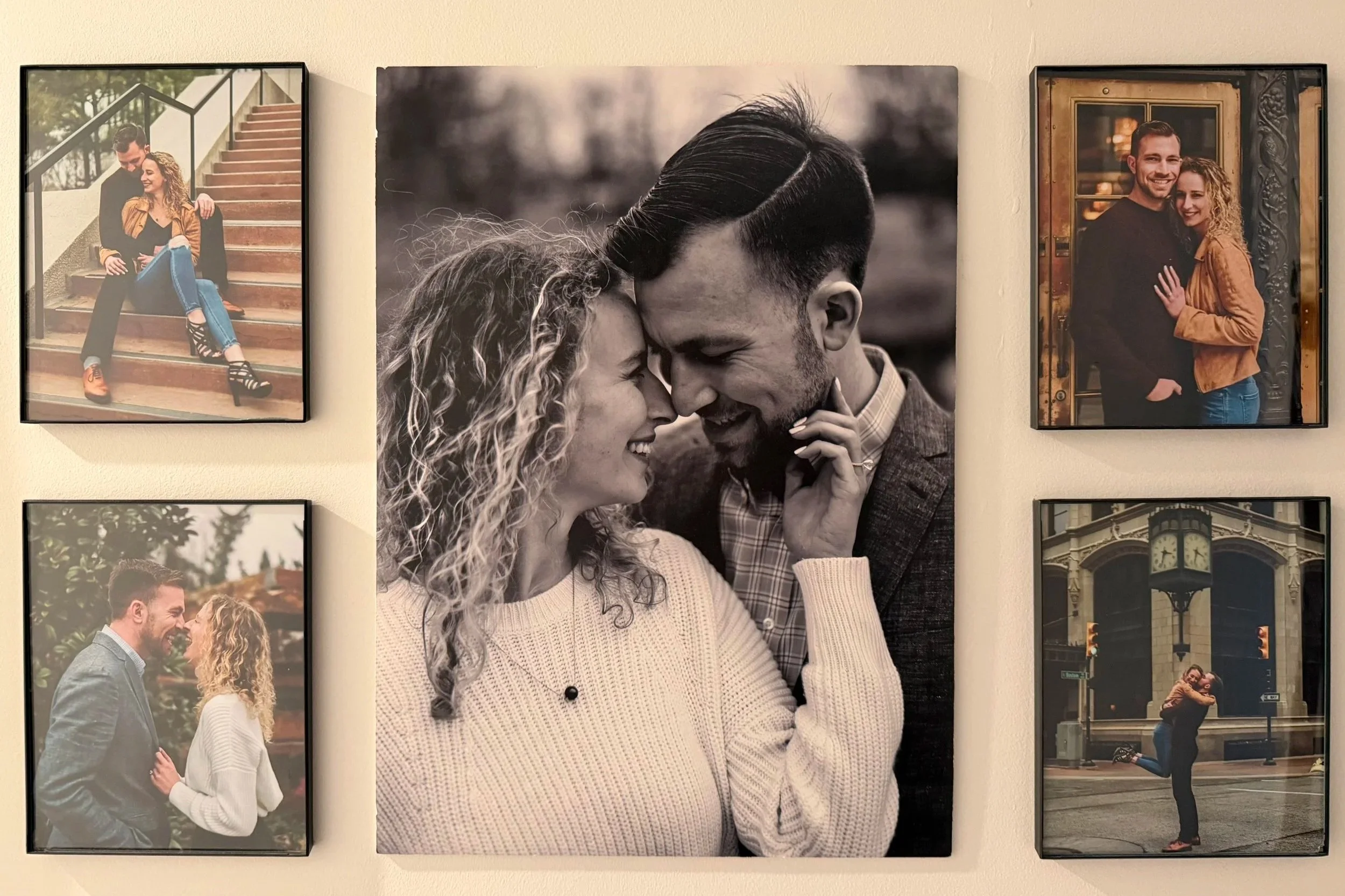
Engagement photo credit to Z Jeree Photography
When I was in college, I was a research assistant as one of my part-time jobs. What ended in two academic publications began as hours upon hours of reading, research, and studies. Within that research, I learned about the Attention Restoration Theory by Kaplan and Kaplan, from 1989. In short, their research suggests that nature can restore our mental state, and by taking breaks in nature, we can restore our attention that is fatigued by working and stressful environments.
Anyone else feel as though their attention needs to be restored?
Although this research was published in 1989 - I think 2026 proposes a whole new realm of mental fatigue. The doom-scroll on any social media platform, constant notifications - there are endless distractions to grab our attention and get an emotional response from us. The social events of the world lately by no means help our peace.
While highlighting views to your exterior windows in your home can connect us to nature, short of actually stepping outside, I would love to discuss some ways you can create a home that assists with restoring your attention - rather than being another factor to deplete it.
Let’s dive in!
Clutter: Let’s talk about this first. Clutter has a sneaky way of feeling out of place for the first day or so, and then just becoming part of the permanent environment. Have you ever stopped and really looked at your kitchen countertops and wondered “What is this junk doing here, and why have I stared at it for weeks??” Well, if you haven’t wondered that, you can skip this point and head to the next one - but I find myself asking that question often.
One solution I have found for this is creating homes for the random things. I have a cute ceramic vase on my kitchen countertops for the small random items that accumulate on my countertops. A stretchy dinosaur toy that my toddler needed a break from? Vase. A random screw to something I know is important but cant remember right now? Vase. Random paper clip? Vase. Now ideally - I would find the proper home for these items on the spot - but I just don’t have the mental capacity to do that sometimes, especially when mothering three sweet kiddos. So, the vase is a small space that allows me to get to it later, while keeping the visual clutter contained - and when that short vase gets filled up, I can dedicate the energy to find the proper homes for the random items.
Mail: While junk mail is synonymous with trash, there are still important documents that arrive by mail and require action. Or, a lovely letter by snail mail is also a wonderful treat to receive! I think the key here is dealing with the mail on the spot. Don’t open it in a rush when you don’t have time to follow through on the task, that leads to opened mail that goes un-attended for days, or is just another mental note hanging around hoping it isn’t forgotten. Being intentional about your mail time, to open, address, and resolve the stack can be a healthier way to approach this paper extravaganza!
Biophilic Design: I already have discussed ways in which you can incorporate Biophilic Design and Circadian Rhythm into your home in this blog post here and here, but there really is something to be said for incorporating nature into your daily living space. Use the natural world to help your drained brain restore some energy and attention.
Media Limits: I recently read “The Ruthless Elimination of Hurry” by John Mark Cromer (side note- that book is life-changing) and in it, Cromer mentions “parenting your phone” and mentioned how when he and his wife put their children to bed, they also put their phones to bed in a drawer in the kitchen. Amazing. I personally have wasted so much time in the evenings staring at my phone when I should be recharging from a long day. How much better would it be if I used that time to recharge myself, and recharge my phone? While I am on occasion doing this practice, I so badly want to get better at it. Your TV is another attention drain - depending on what you are watching. To create a home that is restorative, don’t leave the TV on all day in the background just adding noise and distraction to your home. Turn it off, watch when you are paying attention to it, and otherwise let your ears and mind rest.
Photos: While photos of nature would align more with Kaplan and Kaplan’s research, I would like to argue that photos of your family can restore your attention. For example: my husband and I have engagement photos on our wall opposite to our Master Bathroom door. I absolutely love them. I look so happy. Granted, I was a little naive to the demands that my upcoming vocation as wife and mother was going to hold (not in a bad dramatic way, just that being a wife and mother has given me opportunities to make beautiful sacrifices that young-engaged-me probably would have been too scared of) and I was so head-over-heels in love with my fiancé (still am!). But I love looking at the photos because it reminds me that I wanted and dreamed of the life I am living now, and while some days that feels overwhelming, on others it makes me wonder if that girl would be proud of me, and inspires me to show up the best way I can for my little family.
Kaplan and Kaplan fans might be cringing at this blog post - but I hope it has given you some pause, and consideration into how you can create a home that is more peaceful, intentional, beautiful, and yours.
Chat soon!